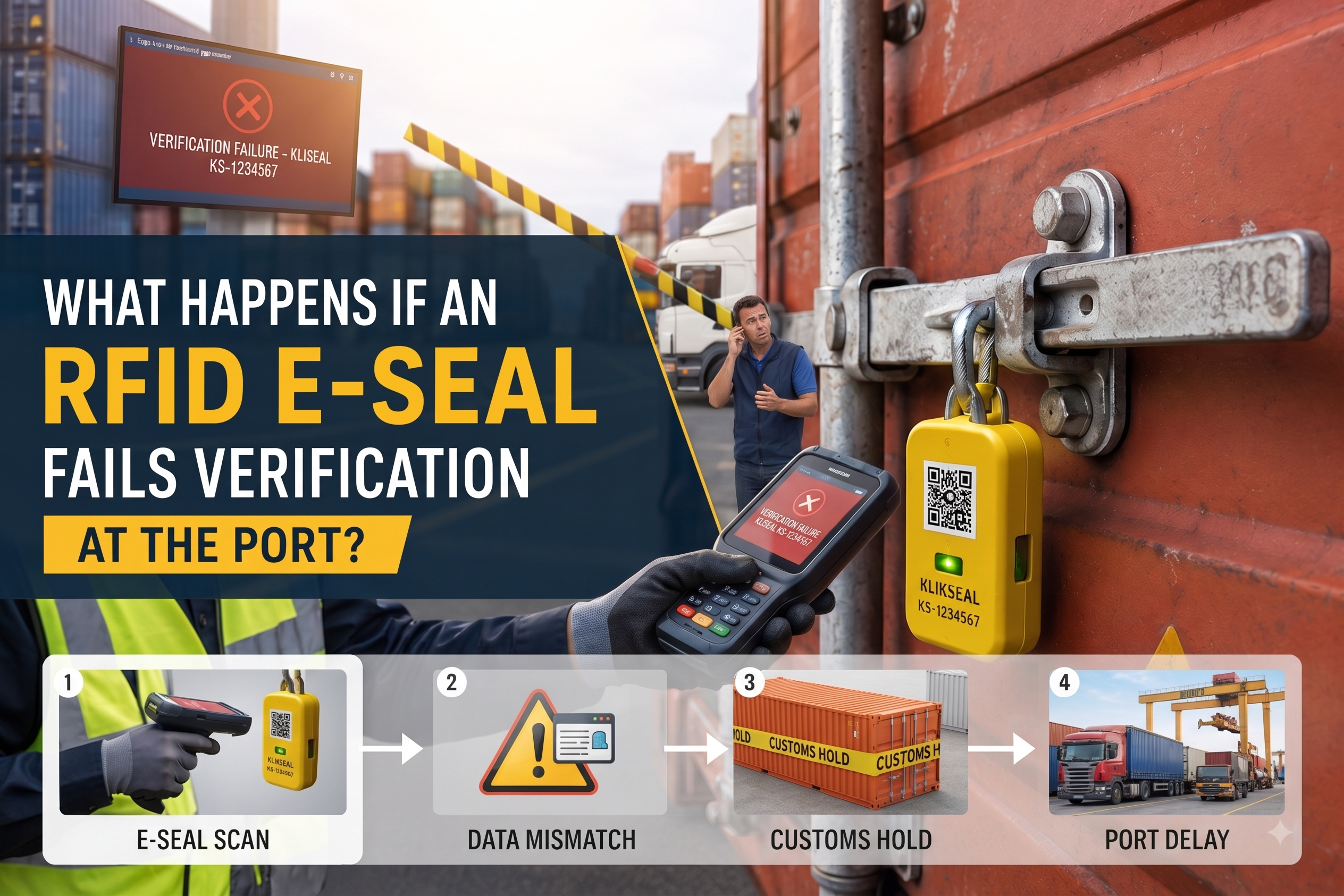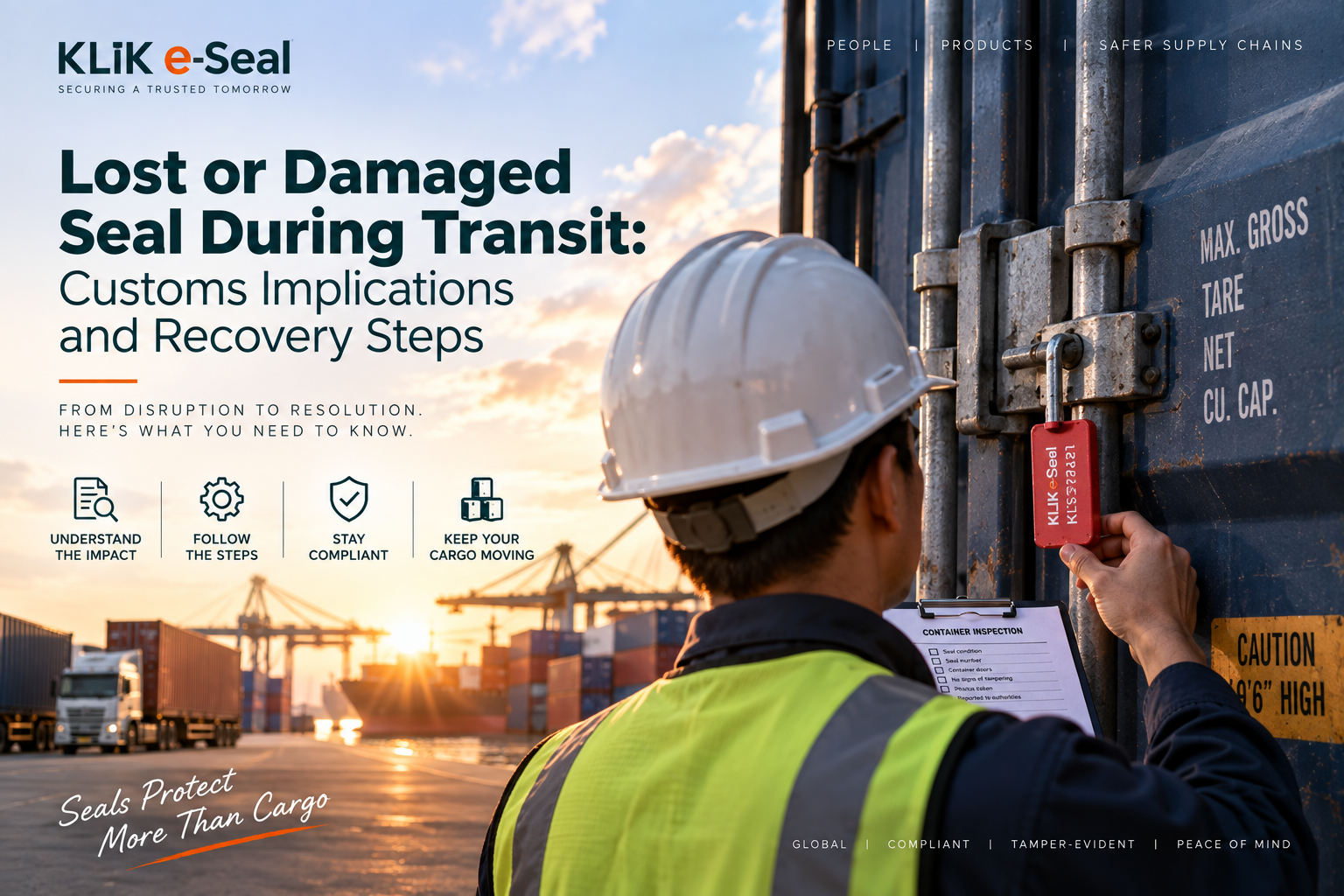

A damaged container seal during transit may require the shipment to be secured, the incident documented, relevant parties notified, and the container resealed before cargo can continue. The exact requirements depend on the country, customs procedure, and type of seal involved. Do not treat a broken seal as merely a replacement-seal problem — treat it as a chain-of-custody incident.
A container seal is a small component of a shipment, but when it is broken, missing, or does not match the shipping documents, it can create a much bigger logistics problem. For example, HM Revenue & Customs requires certain seal incidents involving goods under customs control to be reported and documented, while EU customs rules provide for resealing and recording a new seal number following customs inspection.
Why Container Seals Matter in International Transit
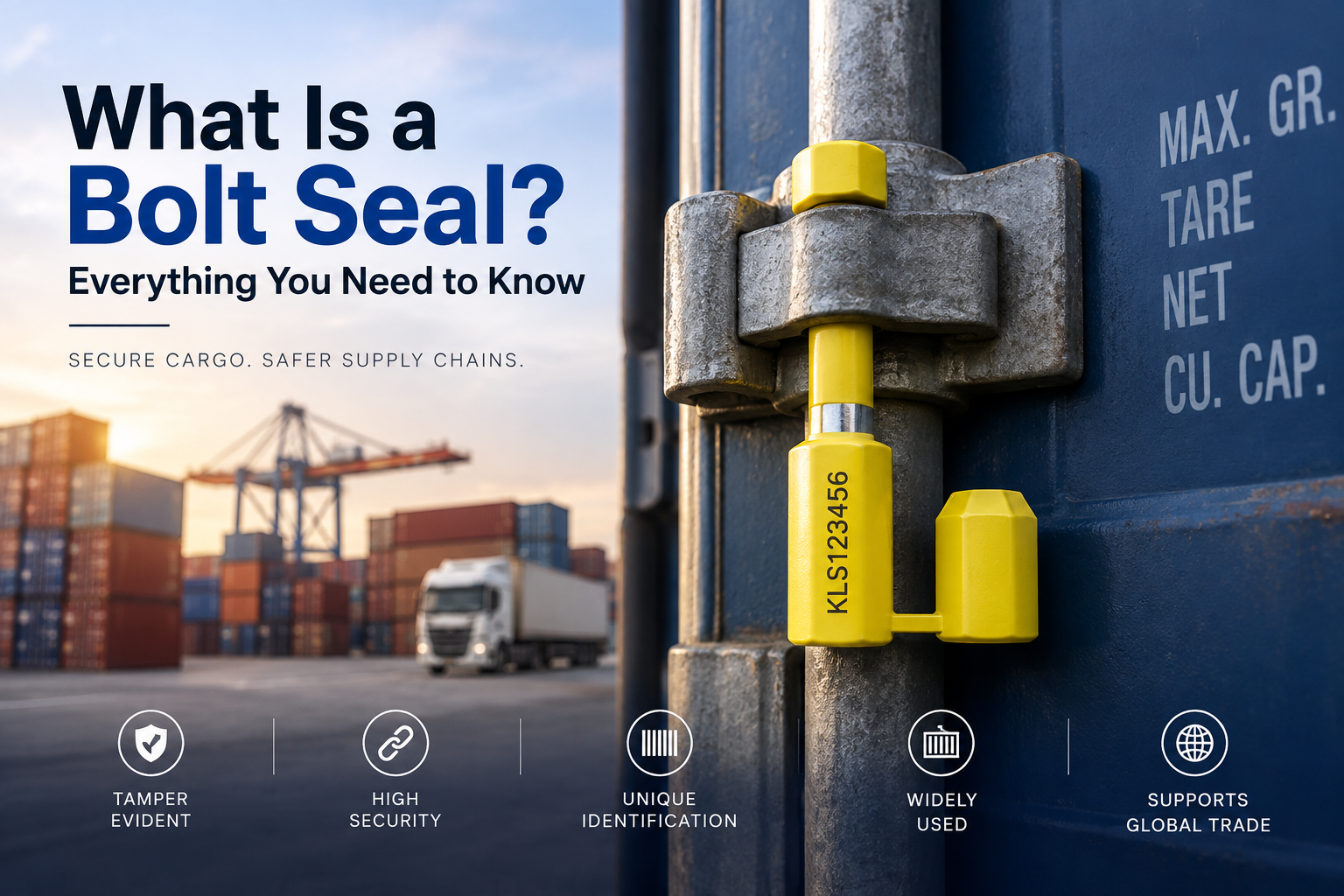
A container seal helps show whether the secured access point of a container has been disturbed during transportation. Customs procedures use seals and identification marks as part of the controls used to identify consignments and detect unauthorised interference.
The seal number is also important because it creates a link between the physical container and the accompanying shipping or transit documentation. When that link is broken, it raises a question that customs — and your chain of custody — must answer.
Customs Seal vs. Carrier Seal vs. Security Seal
Not every seal has the same legal or operational status.
| Seal Type | Typical Purpose | If Damaged |
|---|---|---|
| Customs seal | Maintains customs control over goods | Customs notification or authorisation may be required |
| Carrier seal | Provides shipping and transport security | Carrier procedures may apply |
| Security seal | Provides tamper evidence for the shipper or logistics operator | Incident should be documented and the seal replaced according to procedure |
A customs seal should not be treated in the same way as a private security seal. HMRC states that unauthorised breakage or removal of an official customs seal can breach customs law in the UK.
What Counts as a Lost or Damaged Seal?
A seal incident can take several forms:
- The seal is completely missing.
- The seal is visibly broken or cut.
- The seal is attached but physically damaged.
- The seal number does not match the shipping documents.
- The container shows signs of forced access or tampering.
A mismatch does not automatically prove that cargo has been tampered with. It does, however, create a discrepancy that should be investigated and documented before the shipment continues.
Customs Implications of a Broken or Missing Seal
The World Customs Organization’s Revised Kyoto Convention states that customs controls should allow the destination office to identify a consignment and detect unauthorised interference. It also recommends reporting accidents or unforeseen events that directly affect a customs transit operation.
Depending on the applicable procedure, a damaged seal can lead to:
- Additional verification or inspection of the cargo
- A request for an explanation of how the damage occurred
- Documentation of the incident
- Physical examination of the cargo
- Replacement or resealing of the container
- Delays while customs or other responsible authorities complete their checks
- Further action if cargo shortages or other discrepancies are discovered
A broken seal does not automatically mean that customs will impose a penalty or that cargo has been stolen. The consequences depend on the circumstances and the rules governing the specific shipment.
What to Do When a Seal Is Damaged During Transit
If you discover a broken, missing, or damaged seal, follow a controlled recovery process.
Step 1 — Secure the Shipment
Prevent unauthorised access to the container and preserve the condition in which the incident was discovered. Do not immediately remove the damaged seal or open the container unless you are authorised to do so under the applicable procedure.
Step 2 — Record the Original Seal Details
Before anything else, record:
- Container number
- Original seal number
- Seal type (customs, carrier, or security seal)
- Date and time the problem was discovered
- Location
- Person or organisation that discovered the problem
- Condition of the seal
- Any visible container damage
Step 3 — Photograph the Incident
Take clear photographs of:
- The complete container door
- The damaged seal in situ
- The seal number (close-up)
- The locking mechanism
- Any visible damage around the container doors or frame
Photographs can help preserve evidence of the condition in which the shipment was found and support any subsequent investigation or insurance claim.
Step 4 — Notify the Relevant Parties
Depending on the shipment, this may include:
- Customs authorities
- Carrier or shipping line
- Freight forwarder
- Customs broker
- Importer or exporter
- Insurer, where applicable
HMRC guidance requires customs to be notified as soon as possible when an accident or incident affects goods moving under customs control.
Step 5 — Follow the Required Inspection Procedure
If customs or another authorised authority requires inspection, follow that process before continuing the shipment. Do not assume that replacing the seal yourself resolves the customs issue.
Step 6 — Apply a Replacement Seal
Where replacement is authorised, apply a suitable new security seal and record its unique identification number. EU customs legislation, for example, provides for resealing after customs inspection and recording the new seal number on the cargo documentation.
Step 7 — Update the Documentation
Your records should connect the old seal to the replacement seal. The table below shows an example of what a tracking record might contain:
| Information | Example |
|---|---|
| Container number | ABCU 123456-7 |
| Original seal | XYZ789456 |
| Incident | Seal found damaged at checkpoint |
| Location | Transit checkpoint |
| Date / time | 17 Sept 2026, 10:30 |
| Inspection | Completed by customs authority |
| Replacement seal | KES456789 |
| Applied by | Authorised personnel |
This is an example tracking record only, not an official customs form.
What Information Should Be Recorded?
A useful incident record should answer five basic questions:
Incident Record Checklist
- What happened? — Describe the damage, loss, or discrepancy.
- Where did it happen? — Record the location or checkpoint where the issue was discovered.
- When was it discovered? — Record the date and time.
- Which shipment was affected? — Record the container and original seal numbers.
- What happened afterward? — Record notifications, inspections, authorisation, replacement seal details, and any other corrective action.
Maintaining a seal register is also useful for organisations that regularly apply their own seals. HMRC guidance, for example, requires authorised traders to maintain records covering seal receipt, serial numbers, use, disposal, and defective seals.
How to Reduce the Risk of Seal Failure During Transit
Prevention starts before the container leaves the facility.
Choose Suitable Security Seals
For international container movements, use seals appropriate for the shipment and applicable requirements. ISO 17712:2013 is an internationally recognised standard for mechanical seals used with freight containers, and HMRC guidance references it when discussing acceptable sealing standards.
Verify the Seal Before Handover — VVTT
A simple four-point seal check can help identify problems before the container enters transit. New Zealand Customs includes this VVTT approach in its secure-site standards for container seal checks:
Photograph the Applied Seal at Handover
A photograph showing the seal number and its condition at the point of handover creates an additional record of the shipment’s starting condition — useful if a discrepancy is discovered later.
Maintain a Seal Register
Track issued, unused, damaged, and replaced seals. A controlled serial-number system makes it easier to identify discrepancies and investigate incidents quickly.
Need reliable seals for your container operations?
Klik eSeal supplies ISO 17712 High-Security bolt seals and RFID container seals with unique serial numbering — designed for traceable, audit-ready cargo security across international supply chains.
Request a Klik eSeal QuoteCommon Mistakes After a Seal Is Damaged
Avoid these mistakes when dealing with a damaged container seal:
- Replacing a damaged seal without documenting the incident first.
- Discarding the damaged seal before recording its condition, where retention is required.
- Forgetting or failing to note the original seal number.
- Recording the replacement seal number incorrectly in the shipping documents.
- Opening a customs-controlled container without authorisation where authorisation is required.
- Assuming every broken seal has the same customs consequences — requirements vary by country and procedure.
- Treating a seal-number mismatch as a simple clerical error without proper verification.
Frequently Asked Questions
What happens if a container seal breaks during transit?
The shipment may need to be secured, the incident reported, the cargo inspected, and the container resealed. The exact procedure depends on the applicable customs and transit rules in the countries and jurisdictions involved.
Can I replace a broken container seal myself?
Not always. If the container is under customs control, authorisation may be required before breaking, removing, or replacing the seal. Follow the procedure applicable to the shipment and customs authority — do not assume self-resealing resolves a customs incident.
Does a broken container seal mean the cargo was tampered with?
No. A broken seal means the seal’s integrity has been compromised. It does not, by itself, establish what caused the damage or whether the cargo was interfered with. The incident should be investigated and documented to determine what occurred.
What should be recorded when a seal is replaced?
Record the original seal number, replacement seal number, container number, reason for replacement, date, location, responsible person, and any relevant inspection or authorisation details. Keep a clear link between the old and new seal numbers in your documentation.
Can customs inspect cargo after a seal is damaged?
Yes. Depending on the customs procedure and circumstances, authorities may require or conduct an examination before allowing the shipment to continue. Be prepared to cooperate fully and provide all relevant documentation.
Why are container seal numbers important?
They provide a unique identifier that connects the physical seal to the shipment documentation and helps establish continuity of the secured cargo. A seal number mismatch or gap in the record creates a chain-of-custody discrepancy that must be explained.
Final Takeaway
A lost or damaged container seal should never be handled as a simple administrative inconvenience. The correct response is to preserve the evidence, document the incident, notify the relevant parties, follow any required inspection procedure, and create a clear record connecting the original seal to any replacement.
For logistics teams, the goal is not simply to put another seal on the container. It is to maintain a defensible chain of custody from the original seal to the replacement seal and final delivery — so that every party in the supply chain can account for what happened and when.
Sources: World Customs Organization (WCO) Revised Kyoto Convention; HMRC Transit Manual; EU Union Customs Code (UCC); New Zealand Customs Service Secure Exports Scheme Standards; ISO 17712:2013.