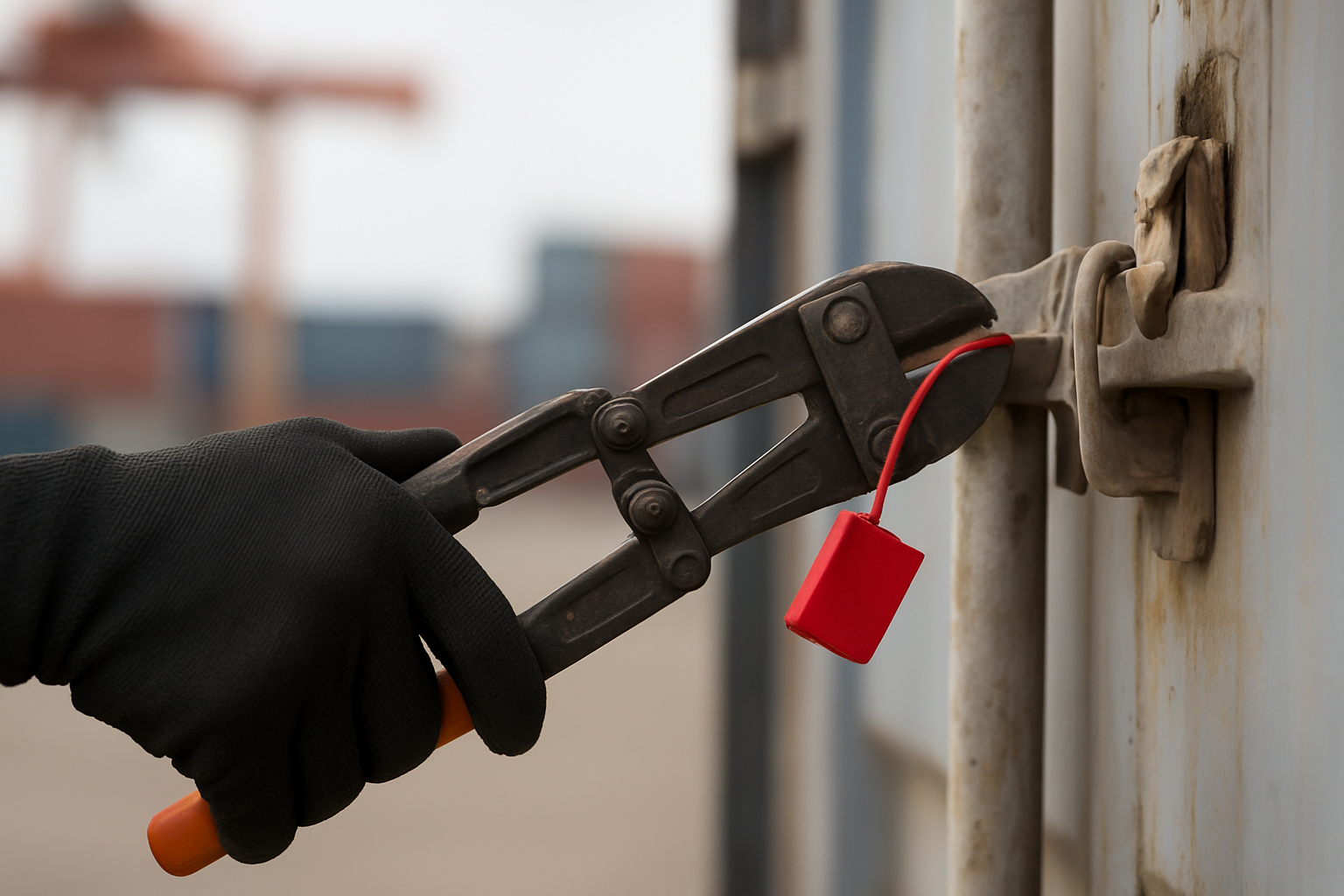


In 2023, customs officials at Jebel Ali Port in Dubai intercepted a cargo container that appeared intact but was discovered to have been tampered with using counterfeit seals. The result? Millions in delayed shipments, loss of trust for the shipping line, and weeks of investigations.
Stories like this highlight a hard truth: high security container seals are the silent guardians of global trade. Without them, cargo theft, smuggling, and customs delays can cripple even the most sophisticated supply chains. For logistics professionals in the Middle East and beyond, seals are not just pieces of plastic or steel, they are the foundation of secure, compliant, and efficient trade.
The Hidden Vulnerabilities in Global Supply Chains
Global supply chains are vast and interconnected, making them attractive targets for criminals. According to the FBI, cargo theft costs trucking companies and retailers an estimated $15-30 billion annually worldwide. Food, electronics, and pharmaceuticals are among the most stolen goods.
The Middle East faces unique risks:
- Strategic location: Ports like Jebel Ali, Sohar, and Dammam are global gateways, handling millions of containers annually.
- Busy trucking corridors: Cross-border movement between GCC countries exposes trucks and trailers to tampering attempts.
- Free zones: While great for trade, they are also vulnerable to smuggling if cargo integrity is compromised.
A single compromised container seal can lead to:
- Costly customs delays (days to weeks).
- Shipment rejection and penalties.
- Loss of contracts due to non-compliance.
Key takeaway: Without high security container seals, bolt seals, and cable seals, companies risk more than theft, they risk their reputation and ability to compete globally.
What Are High Security Seals & How Do They Work?
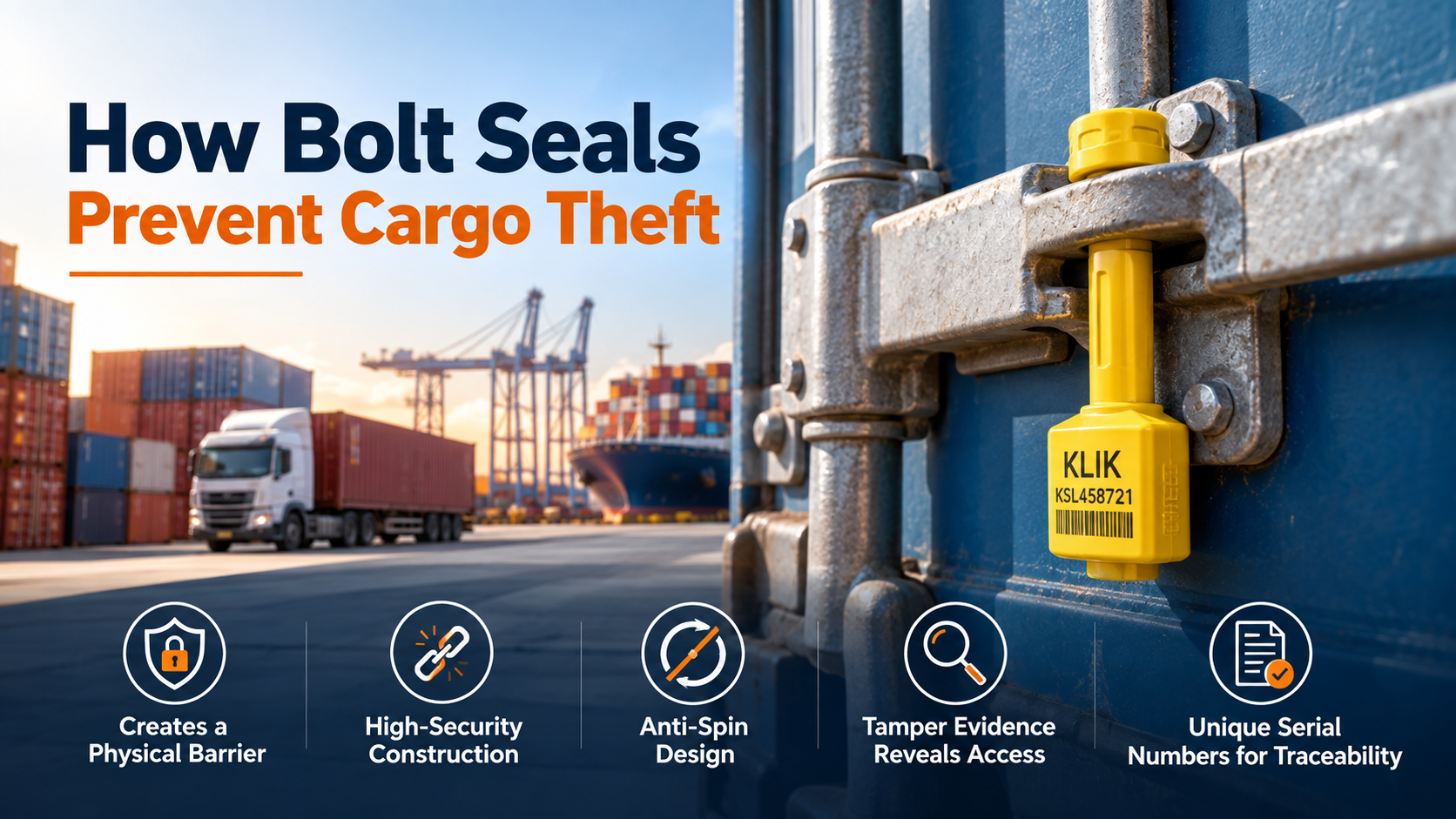
High security seals are tamper-evident locking devices designed to protect cargo in transit. Think of them as both locks and proof of authenticity. Once applied, they cannot be removed without leaving clear evidence of tampering.
The gold standard for these seals is ISO PAS 17712:2013 certification, which ensures seals are tested for strength and tamper resistance. Customs authorities worldwide recognize this certification.
Types of High Security Seals
| Seal Type | Best Use Case | Security Level |
|---|---|---|
| Bolt Seal | Container/trailer doors | High |
| Cable Seal | Tankers, trucks, railcars | High |
| Plastic Seal | Bags, courier parcels, tote boxes | Medium |
| Barrier Seal | Heavy-duty cargo & customs compliance | Very High |
| Padlock Seal | Utility meters, warehouse gates | Medium |
For example, high security truck seals are commonly used on oil tankers in Saudi Arabia, while high security trailer seals protect containerized freight moving between UAE and Oman.
Learn more: What is a Barrier Seal?
Why They’re Critical for Middle East Trade
The Middle East is at the center of global commerce, and its logistics backbone depends on trust. Here’s why seals are indispensable:
- Oil & Gas: Tankers and pipelines must use ISO-certified seals to prevent theft and sabotage.
- Cross-border trucking (GCC): Every truck moving between Saudi Arabia, UAE, Oman, and Bahrain must carry high security trailer seals or high security truck seals to clear customs.
- Ports & Free Zones: Tampered seals often trigger full inspections, which can delay containers for weeks and cost thousands in demurrage fees.
“In fact, a UAE logistics provider reported losing $250,000 in penalties and lost contracts after a single shipment was delayed due to a broken seal.“
Key takeaway: For Middle Eastern supply chains, seals aren’t optional, they are essential to compliance, efficiency, and profitability.
Smart Seals: RFID & GPS Innovations Changing the Game
While traditional seals prove tampering, smart seals prevent it in real time by sending alerts and tracking data.
- RFID Bolt Seals & Cable Seals: Store unique IDs, making it easy for customs officers to scan and verify authenticity.
- Active RFID Seals: Send real-time signals if tampered with.
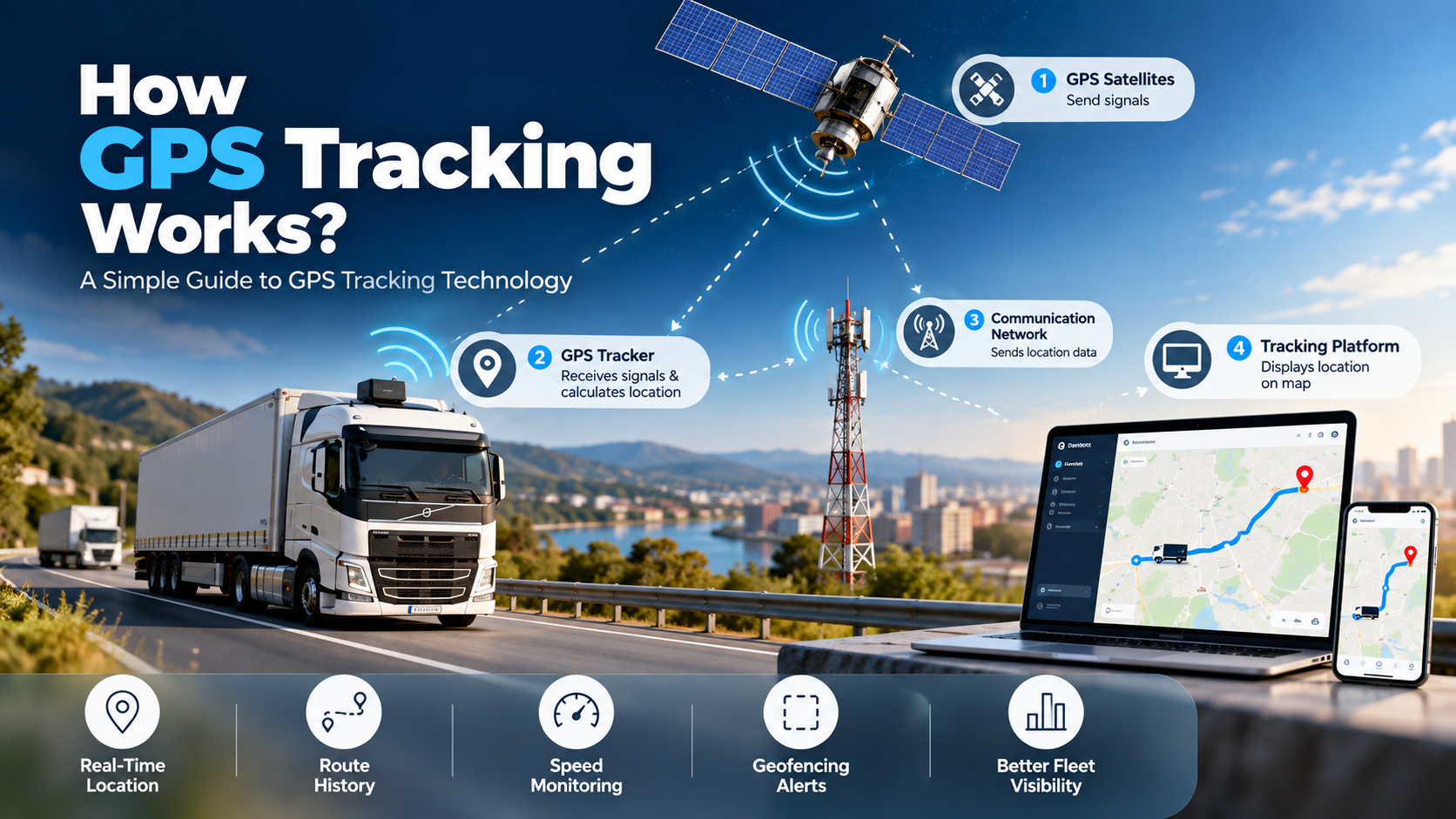
- GPS E-Locks & GNSS Bolt Seals: Track shipments across borders, complete with geofencing.
- 3-State RFID Seals: Indicate “locked,” “tampered,” or “open”, a game-changer for compliance audits.
Klikeseal provides UHF RFID readers (Bluetooth, handheld, mobile and backclip) to make seal verification simple for operators.
Key takeaway: With RFID and GPS seals, logistics companies move from passive protection to active supply chain visibility, reducing delays and improving trust.
Related: Advantages of RFID Security Seals in Logistics
Industries That Can’t Afford to Compromise
Some industries operate under regulations where even a single tampered seal can have disastrous consequences:
- Logistics & Trucking: Every container and trailer needs seals to cross GCC borders.
- Shipping Lines: A single compromised container seal can delay an entire vessel’s clearance.
- Oil & Gas: Tankers carrying crude oil use high security bolt seals to prevent siphoning.
- Pharmaceuticals & FMCG: Saudi SFDA regulations require ISO-certified seals for medicine shipments.
- Banking & Cash-in-Transit: Seals on cash boxes ensure tamper-evident transfers.
Case example: A Saudi pharma distributor reported smoother customs clearance after switching to ISO-certified high security container seals, reducing inspection times by nearly 30%.
Learn more: Navigating RFID Security – Definitive Guide
Choosing the Right High Security Seal for Your Business
Not every shipment requires the same seal. Selection depends on cargo value, route risk, and compliance needs.
- Bolt Seals – Best for standard containers and trailers. Example: shipping electronics from UAE to Africa.
- Cable Seals – Flexible for irregular closures (like tanker trucks). Example: fuel transport across Saudi borders.
- Barrier Seals – Maximum protection for high-value goods. Example: securing FMCG or jewelry shipments.
- GPS E-Locks – Ideal for high-value or time-sensitive cargo. Example: cash-in-transit services.
Compare options: Bolt Seal vs RFID Bolt Seal
Key takeaway: A mismatch in seal selection can expose shipments to theft or non-compliance penalties. Choose based on risk profile, cargo type, and regulatory needs.
How to Implement High Security Seals in Your Supply Chain
Adopting seals isn’t just about buying them, it’s about building a process. Here’s a simple framework:
- Assess Risk: Identify routes and cargo types most prone to theft or tampering.
- Choose Seal Type: Match seal to use case (bolt, cable, GPS, RFID).
- Train Staff: Ensure drivers, loaders, and customs teams know how to apply and verify seals.
- Track & Record: Maintain a digital log of seal numbers for traceability.
- Audit Regularly: Periodically review if seals are preventing tampering effectively.
“Companies in Dubai free zones, for example, have cut customs clearance time by 25% simply by integrating RFID-based seal tracking into their ERP systems.”
The Future of Logistics Security in the Middle East & Beyond
The logistics industry is moving toward digitalized seals and AI-driven compliance. By 2030:
- RFID/NFC Tags will dominate everyday cargo, from jewelry to laundry to tire shipments.
- IoT Integration will link seals with fleet dashboards, providing live visibility.
- AI & Predictive Security will flag tampering attempts before they occur.
- Blockchain Traceability will ensure unforgeable audit trails for customs clearance.
Already, countries like Saudi Arabia are piloting smart customs platforms where RFID and GPS high security cable seals are scanned automatically, reducing manual inspections.
Explore more:
- How Fastags Reduce Highway Emissions
- What Are RFID Jewellery Tags?
- Washable RFID Laundry Tags Explained
Key takeaway: The future of high security seals is not just about physical barriers but digital, connected guardians of global trade.
Conclusion & Call to Action
High security seals are more than small pieces of metal or plastic, they are the backbone of safe, compliant, and trusted logistics.
- They protect against theft and smuggling.
- They ensure customs compliance across GCC and global trade routes.
- They are evolving into tech-driven smart seals that add visibility and control.
Explore Klikeseal’s High Security Seals today to secure your cargo, strengthen compliance, and simplify cross-border trade
Frequently Asked Questions
Per ISO/PAS 17712:2013, seals are classified by mechanical strength, tamper-resistance and performance under standardized tests; a high security seal must pass these tests, be uniquely serialized, and provide clear tamper evidence. Common forms that meet the standard are high security bolt seals and high security cable seals, which are built to resist cutting, pulling and covert removal.
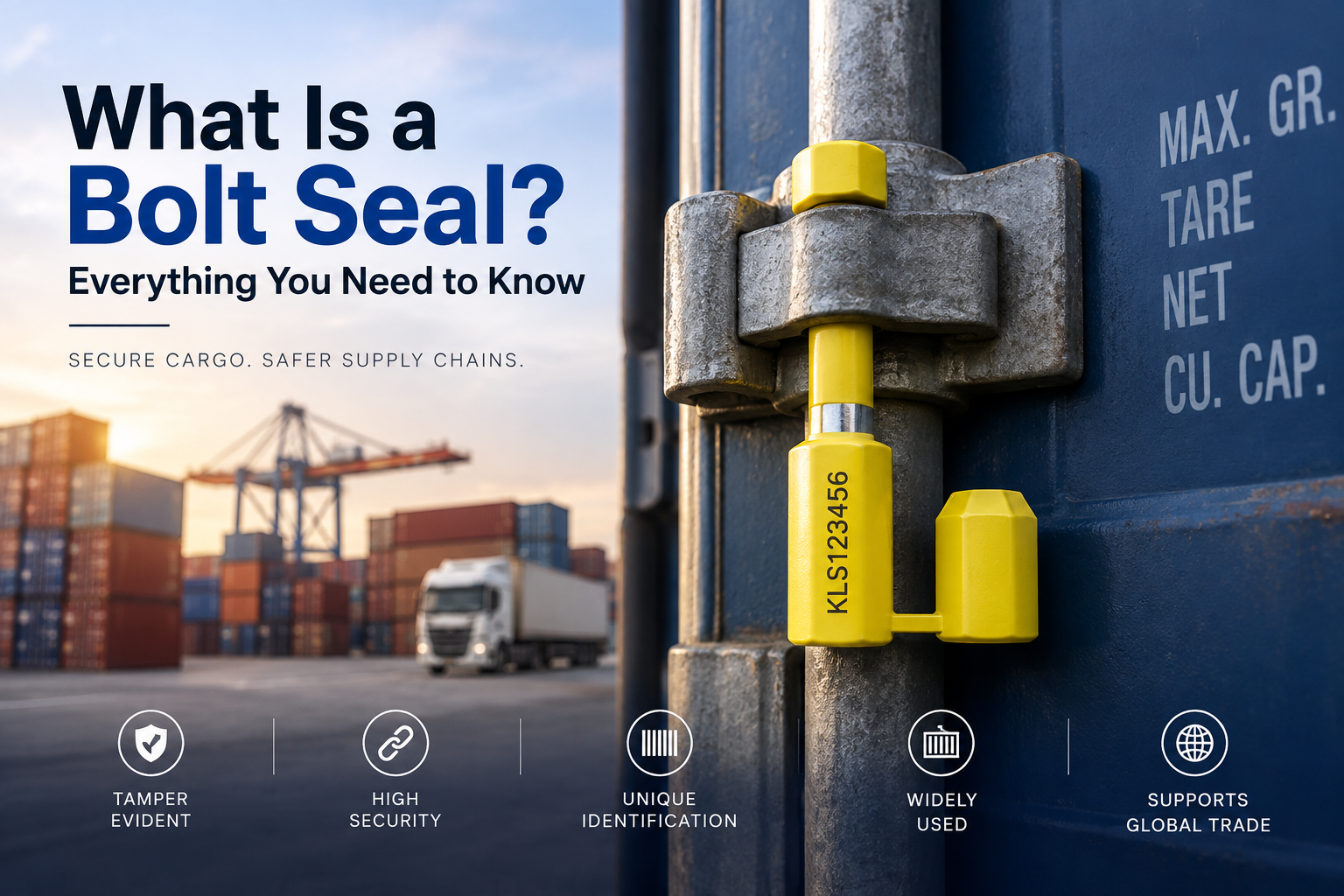
A bolt seal is a rigid metal shaft with a locking head designed for container and trailer doors, ideal where a fixed, very strong closure is required. A cable seal uses a flexible steel cable looped through irregular or multiple locking points (tankers, truck doors, drain valves) and is better where flexibility is needed; both are used widely as high security truck seals and high security trailer seals depending on the application.
Yes, RFID and GPS seals are increasingly accepted across the GCC and globally, because they reduce manual inspections and speed verification. Acceptance and integration vary by country and port, so it’s best to coordinate with customs or your customs broker to ensure compatibility with local systems.
Electronic seals (RFID/GPS) provide advanced monitoring and tamper alerts but ISO/PAS 17712:2013 specifically classifies mechanical seals; therefore electronic seals are not automatically a “high security seal” under that mechanical standard. In practice, electronic seals are often used together with ISO-certified mechanical seals, or recognized by customs programs (C-TPAT/AEO) when validated by the authority.
High security seals are typically made from hardened steel, aluminum, and galvanized steel to resist cutting, corrosion and forced removal. Cable seals commonly use stainless or galvanized steel cable (sometimes nylon-coated); bolt seals use hardened steel shafts and durable locking bodies for maximum strength.
Customs require high security seals to maintain a verifiable chain of custody, prevent smuggling and cargo theft, and support trade-security programs like C-TPAT and AEO. Proper seals reduce the likelihood of clandestine entry, lower inspection rates, and speed cross-border clearance.
Yes. Traditional verification uses unique serial numbers and physical inspection; modern methods add RFID tags, barcodes/QR codes, or GPS so seals can be scanned and tracked electronically. Handheld UHF readers and integrated tracking platforms create an auditable log that proves seal integrity across the shipment lifecycle.